Their first day at school
A simple plan for the weeks before school, the first day, and the weeks that follow. Choose what works for your family. You don't need to do everything.
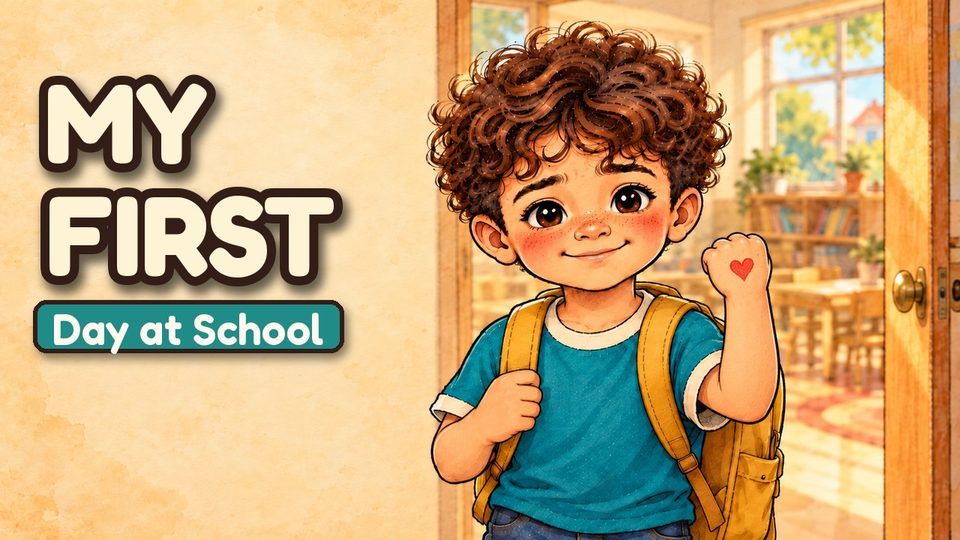
Watch together, if you haven't alreadyMy First Day of School, 6 min. A few days before, so there's time to talk. You can watch again before school or after the first days, if your child wants to.
Ask them: "What do you wonder about school after watching Ezz?" They can show you or draw it.

For you too
You may feel proud, relieved, worried or tearful — sometimes all at once. You don’t have to feel calm every moment to support your child.
Before the first morning, ask who will welcome them and agree a short goodbye. Tell your child who will collect them, and where.
If the worry is intense, getting worse or affecting everyday life, talk to the school or your doctor.
Read more Show less about this first, for grown-ups
Your own school memories may come back as you pack the bag or stand at the gate. You might miss your child, enjoy the quieter hours, or feel both. If you can, arrange something for yourself after goodbye: a walk, a familiar task or a chat with someone you trust.
In the first weeks, some children hold on at the door, need more closeness at home, or have less patience after a tiring day. Others seem comfortable straight away, then become upset later. These changes are worth listening to; they don’t tell you on their own what is happening at school.
A familiar morning routine and an agreed handover give you something practical to return to. Say goodbye clearly, and use a return point your child understands: “Gran will meet you here after school.” After pickup, offer food, rest and time together before lots of questions. Try to avoid comparisons, teasing about tears, or promising that every day will be lovely.
Ask the teacher what happens after you leave and how they handle tearful goodbyes, and share any particular difficulty. Agree any help your child needs with talking, the toilet, moving around or noisy spaces. If you speak another language at home, ask how your child can show they need help.
If distress is intense, worsening or affecting sleep, eating, play or attendance, talk to the school or your doctor. You can ask for help before several weeks have passed. Your own feelings deserve support too.
Try one or two together
Toy hello. Let two toys practise saying hello. Your child can speak, wave or watch.

Try the routeGo with whoever will take them, and see how long it takes. Allow extra time.

Play schoolTake turns being the teacher. Practise asking: "Can I go to the toilet, please?" or "I need help." (gestures count too)
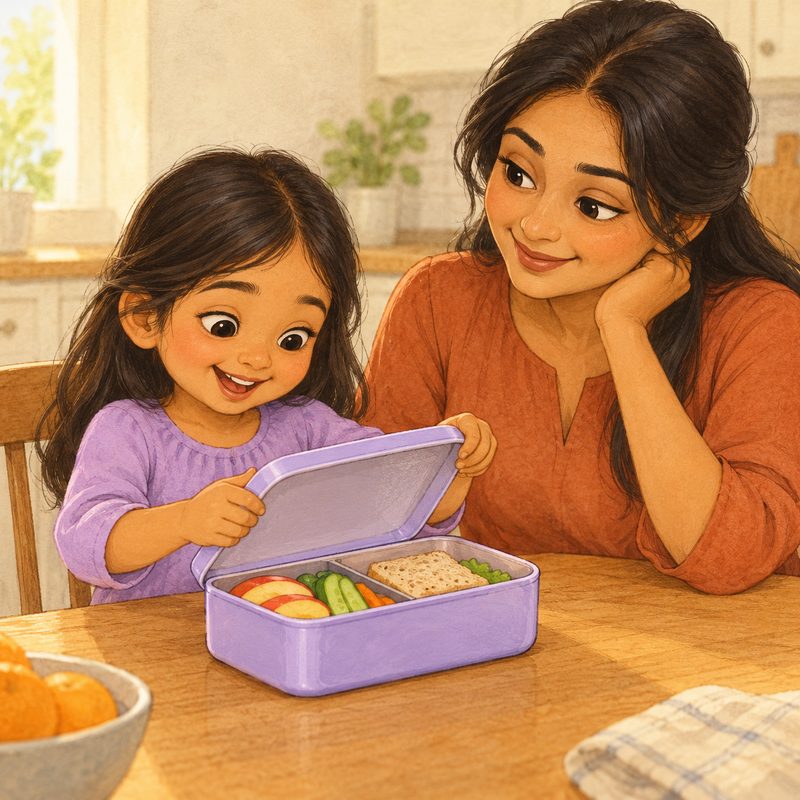
Small jobsPractise the toilet, opening a snack box and packing a bag.
Make your plan
Choose what works for your family. Your answers will appear in a simple plan below that you can print and share with your child.
Who takes them?
How will you say goodbye?
What will they take?
Check what your school allows.
Who picks them up?
Where?
Big Little Firsts · www.biglittlefirsts.com
Our First Day at School Plan
If you need help, show or tell your teacher.
Read it to your child in the days before.
Big Little Firsts · www.biglittlefirsts.com
On the day
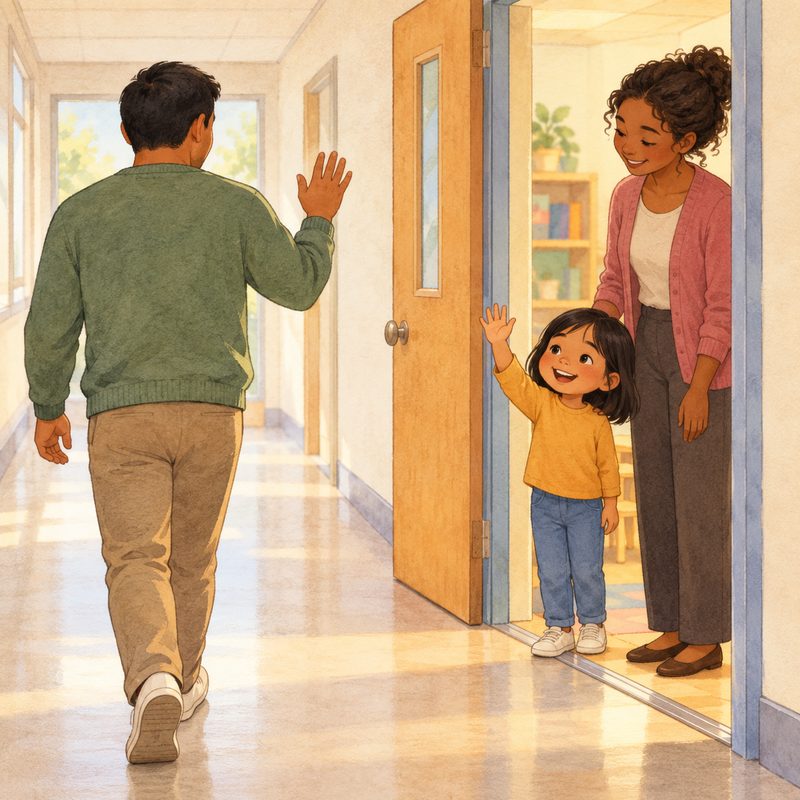
When it's time to goUse a short, familiar goodbye. Say goodbye clearly, even when slipping away feels easier.
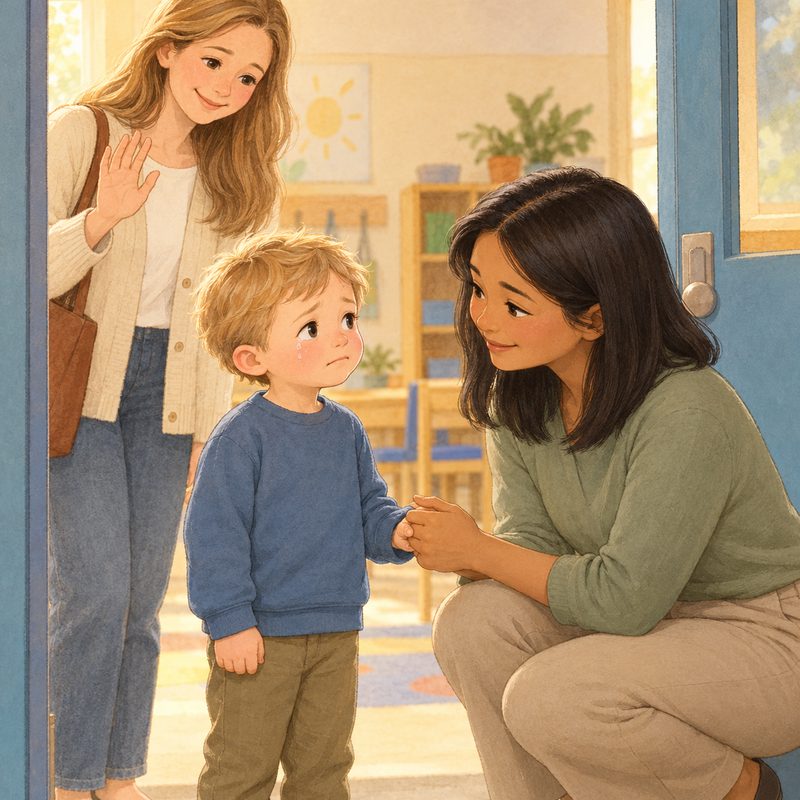
If they cry or hold onStay calm and kind: "You feel sad that I'm going. That's okay." Offer comfort, then let the teacher help.

After schoolThey may be tired, hungry or grumpy. Try a snack and some quiet time before questions.
The first weeks

Notice what they triedSay what you saw, not only how the day went.
Worries can return after a holiday or long weekend. If they do, return to your familiar plan and see what might need adjusting.
If who collects them changes, tell the school and ask them to explain the new plan to your child.
Tell the teacher about any specific worry, like the toilet or not knowing anyone.
Talk to the school or your doctor if the worry is intense, getting worse, or affecting sleep, eating or play.
Questions you might be asking
What if my child cries at the door?
Offer comfort and name what is happening: “You don’t want me to go.” Use the goodbye you have agreed with the teacher, and make sure a member of staff is ready to welcome them. Ask how they will let you know if your child remains upset, rather than assuming the tears stop when you leave.
What if they won’t eat their lunch?
Ask the school what happens at lunchtime: can they open the packaging, do they know whom to ask, or is something about the room difficult? Agree something familiar that fits the school’s food and allergy arrangements, and practise opening the container together. If eating or drinking remains a concern, speak to the school and your doctor.
What if they say they hate school?
Try “What was the hardest bit today?” when they have had time to rest. Listen for something specific and share it with the teacher; you don’t have to persuade them that school was lovely. Their day doesn’t have to feel like Ezz’s story.
My child doesn’t speak the school’s language. How will they ask for help?
Before they start, agree ways to show “toilet”, “drink”, “hurt” and “help”, using pictures, gestures or words they already know. Share those words with the teacher and ask which adult will check that your child understands what is happening. Keep talking and sharing stories in the language your family knows best.
What if I cry?
You haven’t ruined the morning if you become tearful. You can say, “This is a big day for me too,” without asking your child to make you feel better. If you can, arrange someone to speak to afterwards; if your own worry is becoming hard to manage, ask for support.
Should I stay for a while?
Ask the school before the first day, because settling arrangements and children’s support needs differ. Agree what staying would look like, how goodbye will happen, and who takes over afterwards. If the arrangement isn’t helping, discuss a change with the teacher rather than making the goodbye longer each morning.
What about the toilet?
Ask to see the toilets together and practise how your child can ask or signal for help. Tell the school about any support they need, including changing, and agree who will help. Pack spare clothes as the school advises, without making accidents something shameful; if there is pain or an ongoing bladder or bowel concern, speak to your doctor.
What if they’re fine on day one and upset on day three?
A comfortable first day doesn’t mean every goodbye will feel the same. Ask what feels different and check with the teacher about what happens during the day, rather than assuming it is only about leaving you. Return to familiar arrangements while you work out whether something needs changing.
What if they haven’t made a friend?
You can ask, “Was there someone you liked playing near?” instead of “Have you made a best friend yet?” Let the teacher know if your child seems lonely, and ask how they can help them join an activity. A small hello is something to try, not a promise that friendship follows straight away.
What if they refuse to go in?
Tell the school what is happening and ask for a specific arrival plan with a familiar adult. Listen for difficulties such as noise, the toilet or something happening with another child. If getting into school remains difficult, or the distress is severe, talk to the school or your doctor rather than trying to manage it alone.
They keep saying their tummy hurts before school. Is it just nerves?
Take the pain seriously; the timing alone doesn’t tell you its cause. Ask what hurts and tell the school what your child has said. If it keeps happening, gets worse or concerns you, speak to your doctor rather than treating it as a reason to push through.
How do I know when we need more help?
Talk to the school or your doctor if the worry is intense, getting worse or affecting sleep, eating, play, friendships or attendance. You don’t need to wait for a set number of weeks before asking. Tell them what you have noticed at home and ask what staff are seeing during the school day.
Did this help, or is there a first you'd like next? Send us a note. Please don't include your child's name or school.