Their first race
A plan for you and your child for sports day, a race or a game they really want to win. Pick what suits you; you don’t need to do it all.
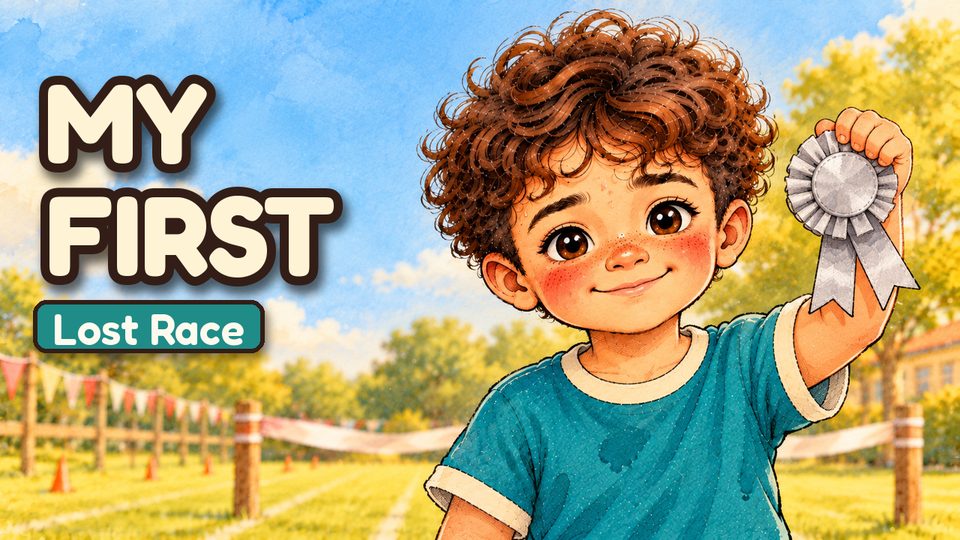
Watch together, if you haven’t alreadyMy First Lost Race, 5 min. A few days before, so there’s time to try things together.
Already happened? Start with Afterwards

For you too
Watching your child lose can bring up your own disappointment or embarrassment. You may want to fix it straight away.
Every child is different: some cry, some go quiet, some want to race again at once. Start with company: “You really wanted to win. I’m here.” You don’t have to find perfect words.
If the upset is intense, keeps coming back or stops them joining in everyday activities, talk to the teacher or your doctor.
Read more Show less about this first, for grown-ups
Children watch how we lose, too. A grown-up who says “I really wanted that one. Well done!” shows them how it sounds.
Praise what they actually did: how they kept going, what they tried, how they treated the others. Keep it true and specific.
If you can’t be at sports day, tell them beforehand which grown-up will be there, and make time later to hear about it.
Some sports days give stickers or ribbons only to the first few. If yours does, mention it beforehand, so it isn’t a surprise at the finish.
Afterwards, let them lead. Some children want to talk straight away; others want a snack and a rest first.
Try one or two together
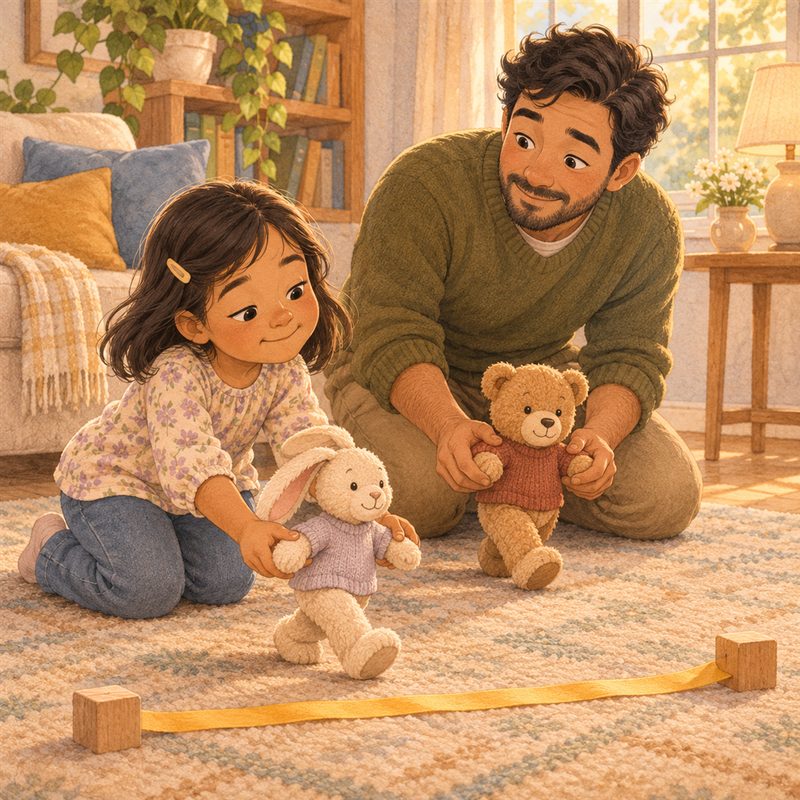
Teddy’s finish lineWalk two toys to a pretend finish line. One comes first. Ask what the other might want: some space, or a grown-up nearby. Your child can talk, point or just watch.
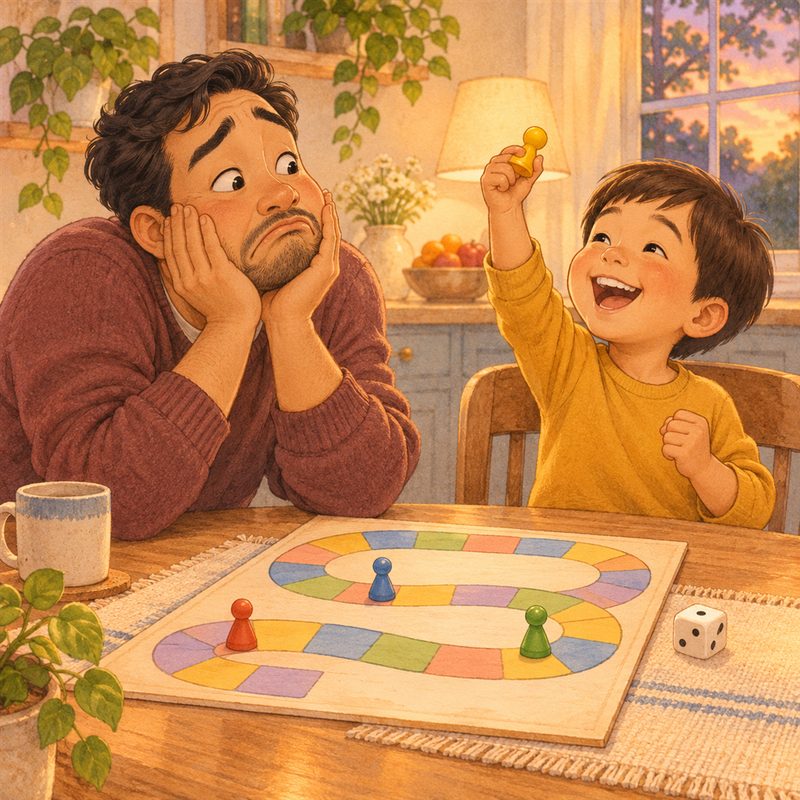
A short gameChoose a simple game either of you could win. When you lose, say it out loud: “I wanted to win. I need a minute. Well done!” Your child can join in or watch.
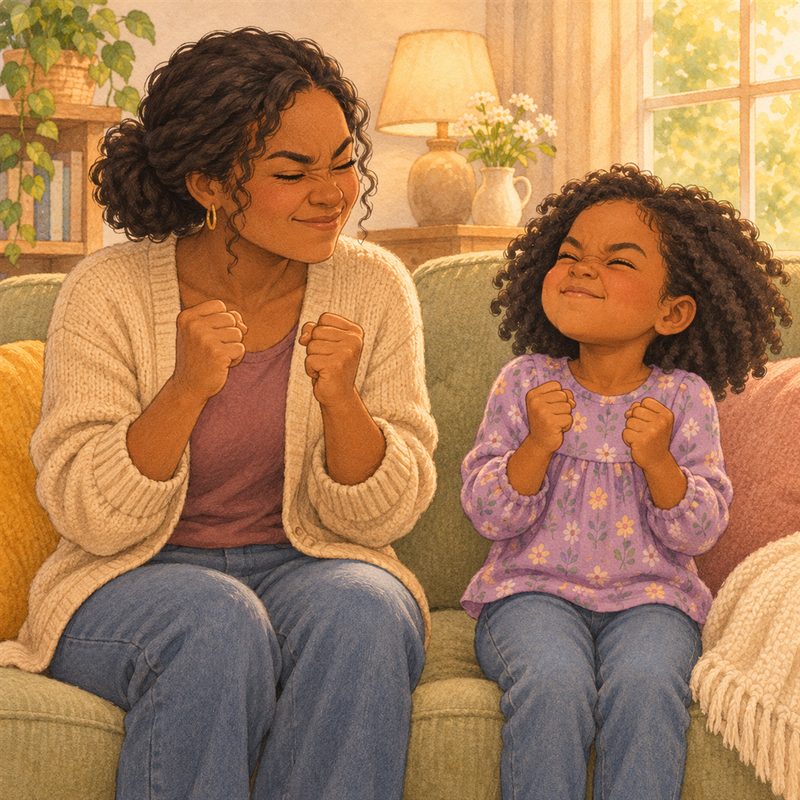
Squeeze and let goWhile you’re both calm, squeeze your hands into fists, then let them go floppy. Keep it gentle. It’s easier to find on the day if you’ve tried it at home.
Ask together: “If the race doesn’t go the way you hope, what would you like your grown-up to do?”
Ask the teacher what races there are, whether there are stickers or ribbons, and which grown-up looks after the children at the finish.
Make your plan
Choose together. Your answers fill a simple plan below that you can print and read with your child. Before the day, check which grown-up can help and where your child can find them.
Who can help after the race?
What might help if they’re upset?
What kind of ‘well done’ would feel best?
When could you talk about one good thing?
Big Little Firsts · www.biglittlefirsts.com
Our Race Day Plan
Whatever happens, I’m on your team.
Read it to your child in the days before.
Big Little Firsts · www.biglittlefirsts.com
On the day
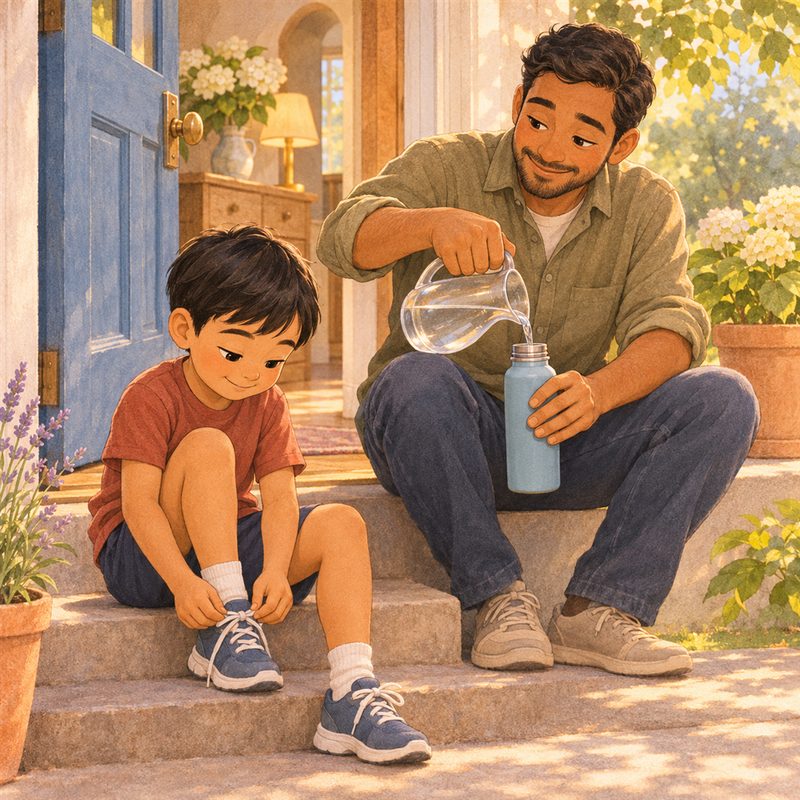
Before you goBreakfast, water, comfy shoes and a trip to the toilet help. One sentence about who will help is enough: “Your teacher will be by the finish line.”
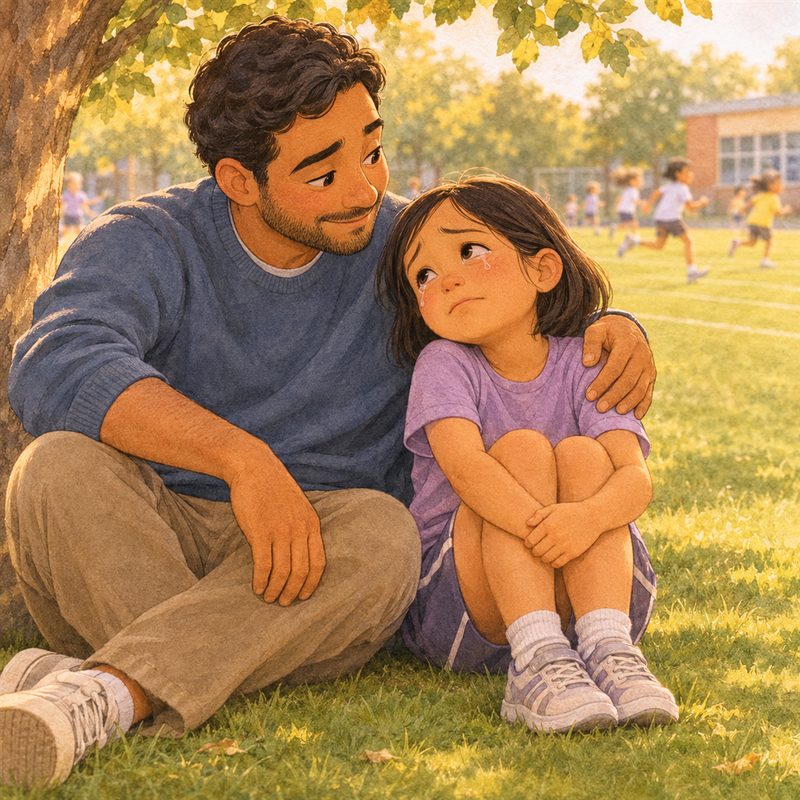
Right afterIf they’re upset, offer company or space: “Want me beside you, or do you need a minute?” Name it: “You really wanted to win. That’s hard.” Save questions for later.
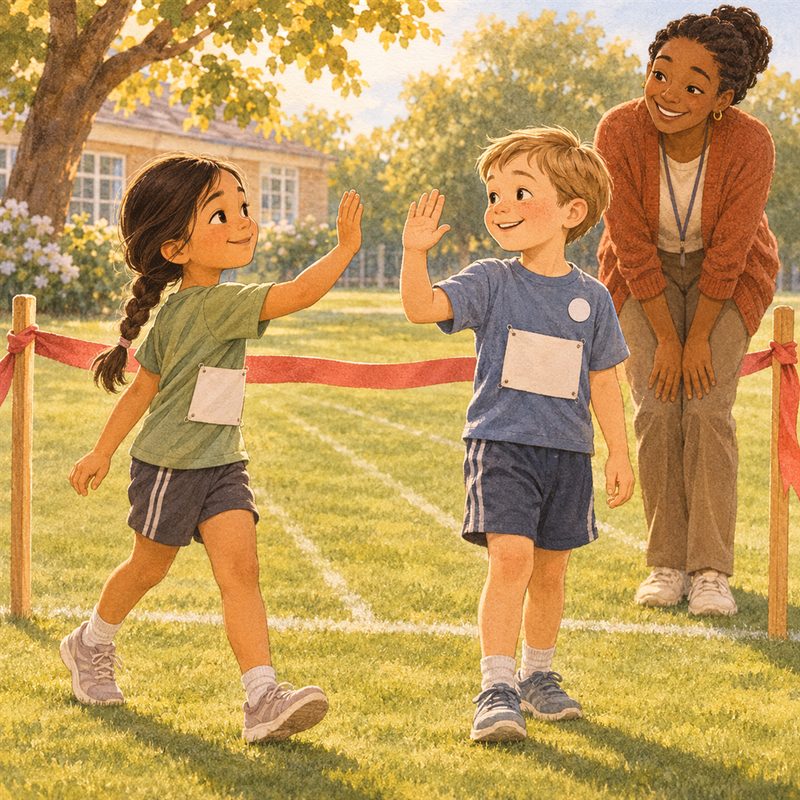
When a friend winsThey can say well done or wave when they’re ready. If the moment has passed, they can say it next time they see their friend. You can say it to the winner yourself.
Afterwards

Let them tell it their wayTry “Which bit do you remember most?” They may want to talk about the finish, or have a snack and a break first.
Look for one true, specific thing. If your child can’t think of one, leave it there and try another time.
Leave the door open. “Would you like to race again sometime, or play something different?” Silly races just for fun (hopping, backwards) can help.
Talk to the teacher or your doctor if the upset is intense, keeps coming back or stops them joining in.
Questions you might be asking
What if they say “It’s not fair!”?
Listen without deciding on the spot whether it was unfair. Later, when everyone is calm, ask what happened. If they describe a real problem with the rules, ask the teacher or organiser about it.
What if they won’t say “well done”?
Give them time. Say it yourself so they hear how it sounds, without asking them to copy you. Later they can try a wave or a quiet word.
Should I let them win at home?
Now and then, if a game is too hard for them, but not every time. Choose games either of you could win, so wins and losses both come in small, friendly doses.
What if they hit, push or throw things?
Calmly stop it and keep everyone safe first. Once they’ve calmed down, comfort them and talk about what they could do next time. Feelings are OK; hurting isn’t.
What if they won?
Celebrate! Then practise winning kindly: a high five for the others, and no “I beat you”. Winning well is a skill too.
What if they want to stop racing?
Let the day settle. Ask what they liked and what they didn’t. They can try a short race for fun, choose something different or take a break.
Can we use this for a game instead of a race?
Yes. It works for a board game, a match or a playground game. Choose a helping grown-up if you need one.
When is it more than a bad day?
Talk to the teacher or your doctor if the upset is intense, keeps coming back, or stops them playing or joining in at school.
Did this help, or is there a first you’d like next? Send us a note. Please don’t include your child’s name or school.